

Hear from Our Customers
You’re dealing with a musty smell that won’t go away. Or allergy symptoms that get worse at home and better when you leave. Maybe you’ve had water damage and you’re not sure if mold took hold behind the walls.
DIY test kits from the hardware store won’t tell you what you actually need to know. They can’t measure concentration levels, identify species, or find mold hidden in your HVAC system or behind drywall.
Professional mold testing uses thermal imaging to detect temperature differences, moisture meters to measure humidity in building materials, and air sampling to capture spores from areas you can’t see. The samples go to an independent lab that tells you exactly what types of mold are present and whether your indoor air quality is compromised compared to outdoor levels.
You get a full report with lab results, photographs, moisture readings, and a clear explanation of what it means. If there’s a problem, you’ll know the scope before you spend money fixing it. If levels are normal, you have documentation and peace of mind.
We’ve been testing homes throughout Bucks County for years. We know the local housing stock, the climate challenges, and where mold typically hides in Durham Furnace properties.
Older homes in this area face higher risk due to construction methods and previous water events. Bucks County’s humid summers create ideal conditions for mold growth, especially in basements, crawl spaces, and attics with poor ventilation.
We use calibrated equipment and send every sample to nationally recognized laboratories specializing in mold analysis. You get unbiased results with no pressure to buy remediation services you don’t need. If we find contamination, we’ll explain what it means and what your options are.
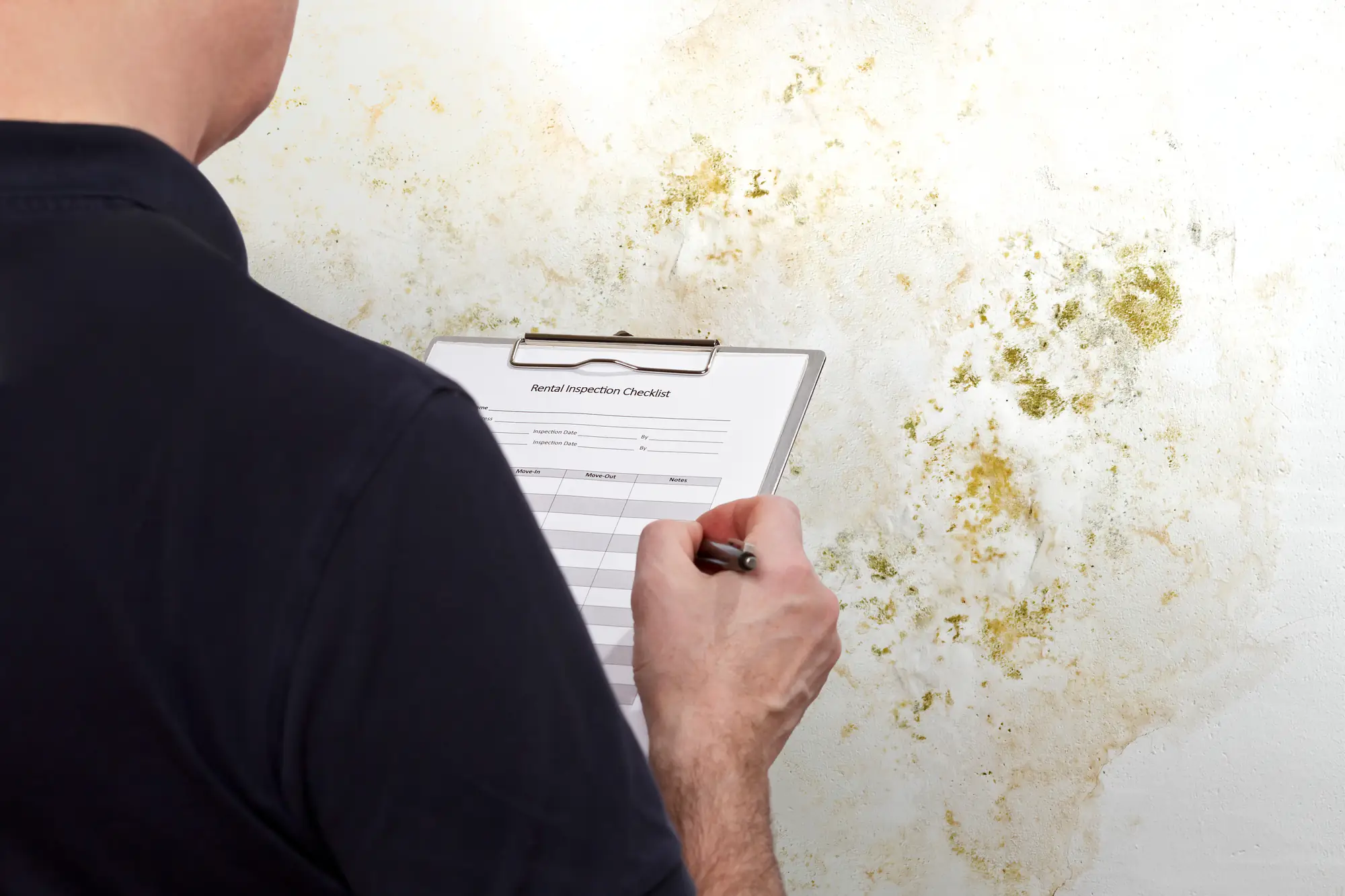
First, we walk through your property and talk about what you’ve noticed—symptoms, odors, visible growth, or past water damage. We’re looking for moisture sources, ventilation issues, and areas where mold typically develops.
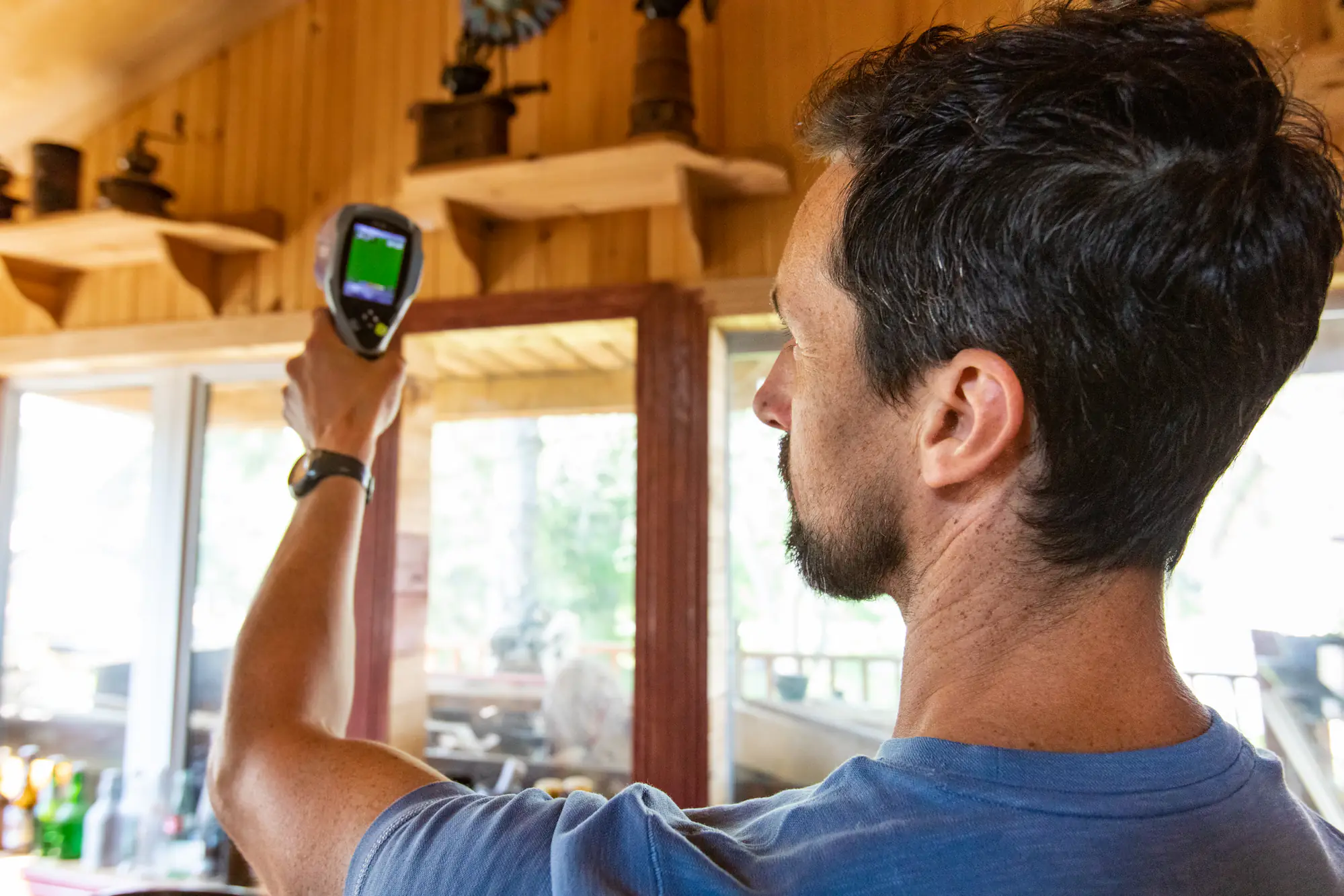
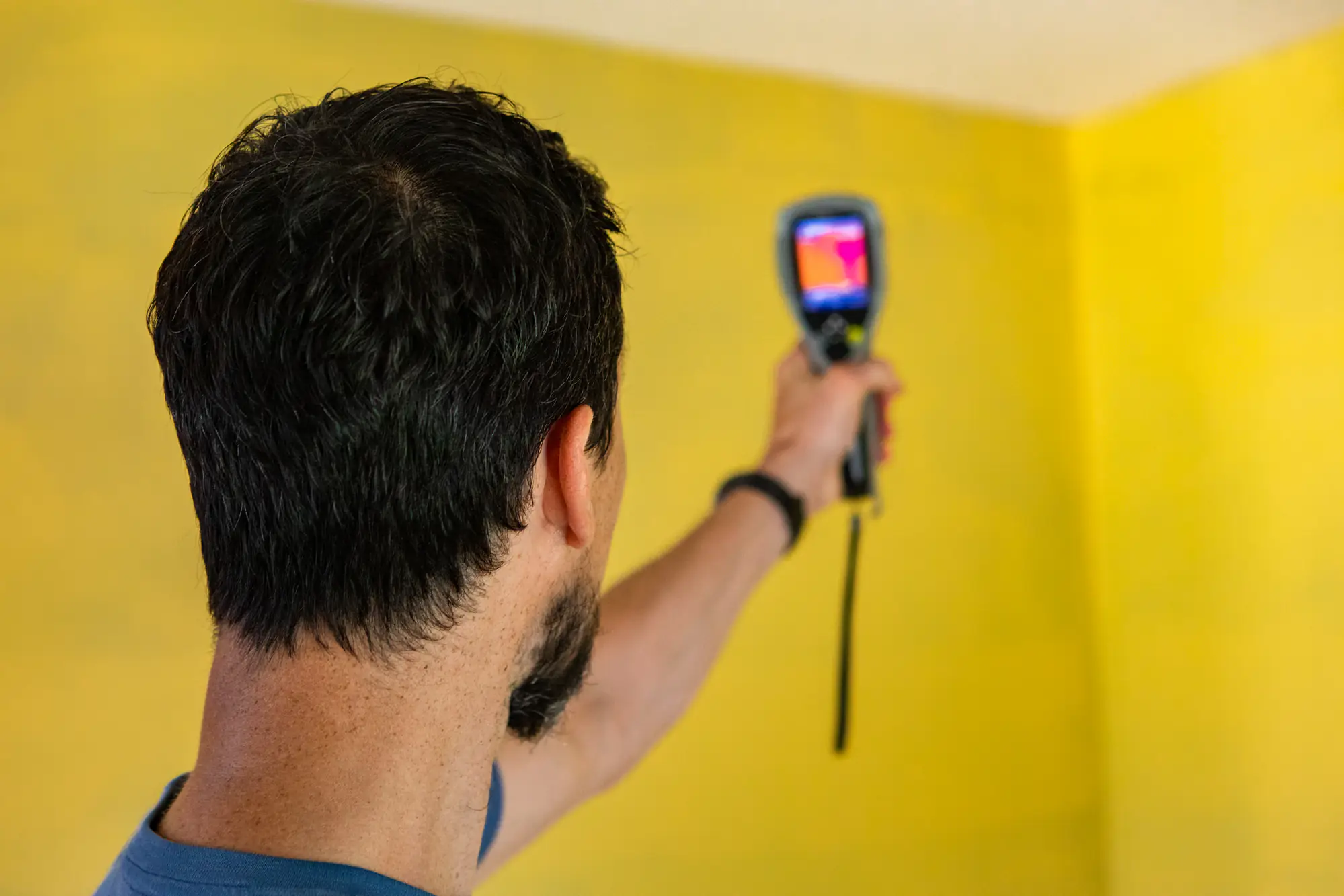
Then we use thermal imaging to scan walls, ceilings, and floors for temperature differences that indicate hidden moisture. We take moisture readings in suspect areas and collect air samples from different rooms to measure spore concentration. If there’s visible growth, we take surface samples to identify the species.
All samples go to an independent laboratory for analysis. Results typically come back within three to five business days. We send you a comprehensive report that includes lab findings, photographs, moisture data, and our professional interpretation of what it means for your home and health.
If contamination is present, we explain the severity, likely sources, and recommended next steps. If levels are normal, you have documentation proving your indoor air quality is fine.
Ready to get started?
A standard residential mold inspection in Durham Furnace includes a visual assessment of your entire property, thermal imaging scans, moisture readings in building materials, and air sampling from multiple locations. We also take outdoor samples to establish baseline spore levels for comparison.
You receive laboratory analysis results that identify mold species, measure concentration levels, and determine whether your indoor air quality is compromised. The report includes detailed photographs, moisture readings, and written findings that explain what we found and what it means.
Bucks County homes built before 1980 often have hidden mold in wall cavities, under flooring, or in HVAC systems. Homes near the Delaware River or with previous flooding face elevated risk. Professional testing catches these issues before they spread and become expensive problems.
Most residential inspections cost between $400 and $600 depending on property size and the number of samples needed. If you’re buying a home, dealing with insurance claims, or experiencing unexplained health symptoms, testing gives you the documentation and answers you need to make informed decisions.
You need testing if you smell persistent musty odors, experience allergy symptoms that improve when you leave the house, or have had water damage from leaks, flooding, or high humidity. Visible mold growth is obvious, but hidden contamination behind walls or in HVAC systems often causes health problems without clear signs.
Professional testing makes sense before buying a home, after water events, or when you’re experiencing respiratory issues, sinus problems, fatigue, or skin irritation that doesn’t have another explanation. Insurance companies require professional documentation if you’re filing a claim for mold damage.
DIY kits can’t measure concentration levels, identify species, or find hidden mold. They give you a yes/no answer without context. Professional testing tells you what types of mold are present, at what levels, and whether your indoor air quality is actually compromised compared to outdoor baseline levels.
Air sampling measures spore concentration in your indoor air and compares it to outdoor levels. This catches hidden mold that’s releasing spores from concealed locations like wall cavities, under flooring, or inside HVAC ducts. It’s the most effective way to assess overall indoor air quality.
Surface sampling takes physical samples from visible growth to identify the specific species. This helps determine whether you’re dealing with common molds or more problematic types like Stachybotrys (black mold) that produce mycotoxins.
Most comprehensive inspections use both methods. Air sampling gives you the big picture of what’s in your breathing space. Surface sampling identifies what’s actually growing in specific locations. Together, they provide complete information about contamination type, concentration, and likely sources so you can address the problem effectively.
The on-site inspection typically takes one to two hours depending on your property size and the number of samples needed. We walk through the entire home, take thermal images, measure moisture levels, and collect air and surface samples from multiple locations.
Samples go to an independent laboratory for analysis. Results usually come back within three to five business days. You receive a comprehensive report with lab findings, photographs, moisture readings, and professional interpretation of what it means.
If we find something that poses immediate health risks, we’ll call you right away rather than waiting for the full report. Most situations aren’t emergencies, but you deserve to know quickly if there’s a serious problem. Once you have results, we can discuss next steps including remediation options if contamination is present or documentation for your records if levels are normal.
Insurance coverage depends on what caused the mold. If it resulted from a covered event like a burst pipe or storm damage, most policies cover testing and remediation. If it developed from long-term neglect, high humidity, or maintenance issues, they typically won’t cover it.
Insurance companies require professional documentation showing that mold resulted from a specific covered incident and that you took reasonable steps to address it. DIY test results usually aren’t sufficient. Professional testing provides the detailed reports, photographs, and laboratory analysis that adjusters need to process claims.
We work directly with insurance companies and know what documentation they require. If you’re filing a claim, we can provide the detailed reporting and communicate with adjusters to help navigate the process. Even if insurance doesn’t cover testing costs upfront, having professional documentation often makes the difference in getting remediation covered.
Aspergillus and Penicillium are the most common indoor molds in Bucks County. They grow on damp building materials, in HVAC systems, and in areas with poor ventilation. Both can cause allergic reactions and respiratory problems, especially in people with asthma or compromised immune systems.
Cladosporium typically appears on wood surfaces, fabrics, and in cooling systems. Stachybotrys, commonly called black mold, grows on materials with high cellulose content like drywall and produces mycotoxins that can cause serious health effects. It’s less common but requires immediate attention when present.
Bucks County’s humid climate and older housing stock create ideal conditions for mold growth. Basements, crawl spaces, attics with inadequate ventilation, and areas around plumbing or windows are the most common problem spots. Professional testing identifies which species are present and at what concentration levels so you know whether you’re dealing with a minor issue or a serious contamination problem.
Yes. Air sampling captures spores released from hidden colonies behind walls, under flooring, or inside HVAC systems. Thermal imaging detects temperature differences that indicate moisture problems before mold becomes visible. Moisture meters measure humidity levels in building materials to identify conditions where mold is likely growing even if you can’t see it yet.
This early detection prevents bigger problems. Mold spreads quickly once it takes hold, and remediation costs increase dramatically the longer contamination goes unaddressed. Catching it early saves thousands compared to discovering extensive growth after it’s damaged structural materials or spread throughout your HVAC system.
Hidden mold is especially common in Durham Furnace homes after basement flooding, roof leaks, or plumbing failures. Even after visible water is cleaned up, moisture can remain trapped in wall cavities or under flooring where mold develops out of sight. Professional testing finds these hidden problems before they compromise your indoor air quality or require extensive repairs.
Other Services we provide in Durham Furnace